The quiet power of place
You don’t know how much home means to you until you don’t have one. Once you find it again, you cherish it above almost everything else.
While I’ve never been truly homeless, I have been a vagabond of sorts. The life of an active-duty soldier is a transitory one. After a while, you begin to long for rootedness and a steady place in an enduring community.
My family’s most recent military move was the first in which geography played the most important role in deciding which assignment I would compete for. Having journeyed up and down the East Coast, including a stint in our nation’s capital, my wife and I started thinking hard about what kind of place we wanted to raise our kids. We are from opposite ends of the country, and most of our immediate family members have moved away from our birthplaces, so proximity to relatives wasn’t a factor. What mattered most was the merit of the place itself.
The question that dominated our decision was: Where could our family best flourish?
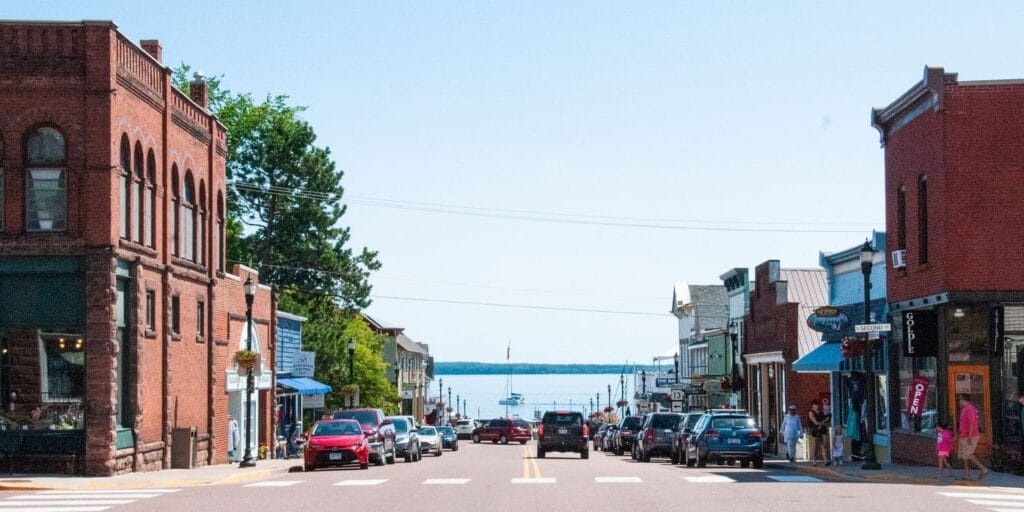
We chose carefully. We settled in a small village where the pace of life still allows room for contentment and neighborly community. Then, last November, after nearly two decades of absentee ballots cast from forward operating bases and staff assignments, I walked into our village polling place and voted in person. The ballot contained exactly one race: the village council election. No national shouting matches. No statehouse spectacle. Just five candidates running for three seats in a community of fewer than 4,000.
The issues were concrete and immediately relevant: traffic already strained by surrounding development, school enrollment pressures, and the quiet erosion of the small-town character we had deliberately sought. I voted to resist overdevelopment that threatened the very reasons we had moved here. For the first time in years, I left the polls feeling not like a distant observer but like a participant in decisions that would shape my daily life, my children’s opportunities, and the community we now call home.
That modest election reminded me of a deeper truth: the more local the government, the more influential a single voice can be. At the federal or even the state level, one citizen’s input can feel inconsequential. At the village level, it is often the difference between thoughtful growth and the kind of sprawl that turns quiet streets into congested corridors.
Localities are where civics ceases to be abstract and becomes personal.
None of this diminishes the importance of higher offices. Yet the schools our children attend, the safety of our neighborhoods, the cost of housing, and the overall texture of daily life are overwhelmingly determined closer to home. Localities are where civics ceases to be abstract and becomes personal. They are where the rights and obligations of a free society are lived out in their most tangible form.
Americans continue to vote with their feet, moving toward places that offer more room for families to flourish. The data are clear, and the personal stories are illustrative: once you have wandered, you learn to cherish the place that lets you put down roots. My family chose ours for its merit. We remain invested in it because here we can steward the community around us in ways that tangibly affect our family.
That is the quiet power of place. It turns abstract liberty into daily reality and makes the practice of duty feel like home.
Andrew Bibb is a military strategist. The views expressed in this article are those of the author and do not necessarily reflect the official policy or position of the U.S. government.