
Minnesota scandal exposes accountability failure in our culture
American politics increasingly runs on the premise that few are held accountable, and the rule of law is treated as optional for many actors with power and influence. And when I do check in on social media, it’s the same loop: ‘no one will pay’ contrasted with the ‘lock them up’ wishcasting.
One of the clearest frustrations with our political culture is simply the lack of accountability. Federal scandals, whether that’s the IRS targeting conservatives, U.S. Secret Service scandals, or the Pentagon failing its eighth audit in a row—to name only a few, continually reveal a lack of accountability and oversight. Even the “tough” Congressional hearings where witnesses are grilled are often little more than performative art for the cameras.
I’m not going to predict what accountability will look like for some of the top public officials in the Minnesota welfare scandal, but the basic facts are damning: billions meant for vulnerable families were looted, and taxpayers were left holding the bag.
I previously made the point that the free flow of federal dollars into states with little oversight and friction has likely created massive levels of fraud even outside of Minneapolis and Minnesota. Unfortunately, these types of massive federal cash payments to the states are ripe for fraud and often shielded further from scrutiny by political allegiances and tribalism. It appears not uncommon for leaders to look the other way when fraud benefits favored constituencies or politically connected networks. In Minneapolis, well-connected organizations and intermediaries thrived in an environment where oversight was weak and accountability was optional.
Treasury Secretary Scott Bessent said last week that the Government Accounting Office (GAO) estimates that 5 to 10% of federal spending disappears due to fraud. A number like that only reinforces the lack of accountability issue infecting our culture.
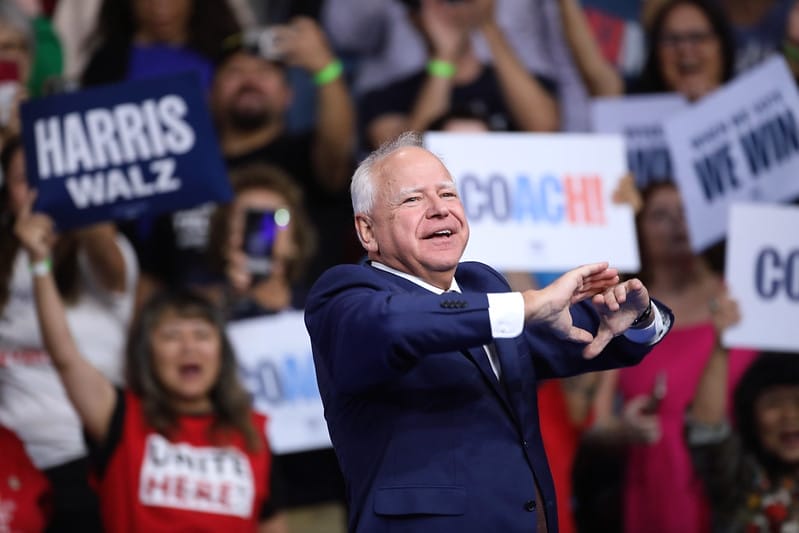
The truth of the matter is this can only be rectified in the short term by aggressive prosecution and consequences. State officials should be working with federal prosecutors but cooperation seems unclear given the political dynamics of the Gov. Tim Walz’s aggressive conflict with the Trump administration, buttressed by the fact that the Walz administration and other state elected officials seemed to lack much interest in the scandals when it was easier to ignore.
The bigger danger is what the “easy money” model does to governance. A steady torrent of federal dollars into state and local systems creates moral hazard: everyone rushes to spend, few rush to verify, and accountability is only a postmortem—invoked only after massive public exposure. Federalism works best when responsibility is clear and Congress must seriously question the free flow of dollars into the states with little to no oversight. Let states fund more of their own safety-net programs, making them truly for those in need and tailoring them for localities with fewer perverse incentives to be raided by professional grifters.
—Ray Nothstine
— The Federalism Beat