Tangled coalitions built America and will decide our future

Coalitions are messy. Anyone who has ever worked in politics, business, community organizing, or even a PTA meeting knows this. They require patience, humility, compromise, and—perhaps most painfully—the willingness to listen to people who disagree with you.
Many people find the process exhausting. Yet as America approaches its 250th birthday, it’s worth remembering that our country was founded on a coalition as messy as any we’ll find today. The Declaration of Independence was not drafted by a room of ideological clones or written in an afternoon.
The Founders were merchants, farmers, lawyers, military leaders, idealists, and stubborn contrarians. They argued fiercely. They walked out of meetings. They doubted one another’s motives.
But they always came back to the table.
The American Experiment did not emerge from unity—it emerged from coalition-building.
And that is still how change happens today.
Coalitions vs. Stakeholders: The Difference Matters
The terms “stakeholder” and “coalition” are common in politics, and often used together. However, they are very different in their construction, and their management.
A coalition is an entity pushing for or against a policy, idea, or action. It has structure, leadership, strategy, and messaging. Coalitions can be sleek and professionally funded—think Fortune 500 companies advocating for regulatory reform—or entirely volunteer-driven.
A coalition is a group of people who might disagree on many things, but come together on this one thing.
Stakeholders, however, are not formal coalition members. They are individuals, organizations, businesses, interest groups, or citizens who have a direct interest in the outcome. They may never attend a meeting or sign a membership form, but they can be informed, mobilized, and activated. They are the force multiplier.
Coalitions are far more effective when stakeholders are engaged.
Every Policy and Legislative Initiative Depends on Both
Success for government leaders, nonprofit directors, and grassroots organizers requires building coalitions and managing stakeholders, whether on Capitol Hill, in state legislatures, or in local communities. Examples of these are:
A patient advocacy group seeking faster FDA approvals needs clinical researchers, personal testimonies, and policymakers.
A mayor trying to fix public transit needs commuters, labor unions, environmental groups, chambers of commerce, and neighborhood associations.
A group of parents challenging a school district must connect with teachers, administrators, taxpayers, and other families.
A Legacy of American Coalitions
Coalition-building is not a modern invention but a hallmark of the American project.
In addition to the Founding, coalitions were the building blocks of voting and civil rights movements, for example. They were powered by diverse coalitions of grassroots voices and stakeholder advocates. The movements were not fast or frictionless, but changed the direction of history.
In foreign policy, the United States has been strongest when leading coalitions. We organized the successful Allied structures of World War I and World War II, ending wars that started long before we joined.
Since 9/11, we have led a broad coalition of nations in the fight against terrorism. Some countries have contributed only a few troops or advisors, but even these “small” partners add value by enhancing the coalition’s credibility and providing specialized expertise.
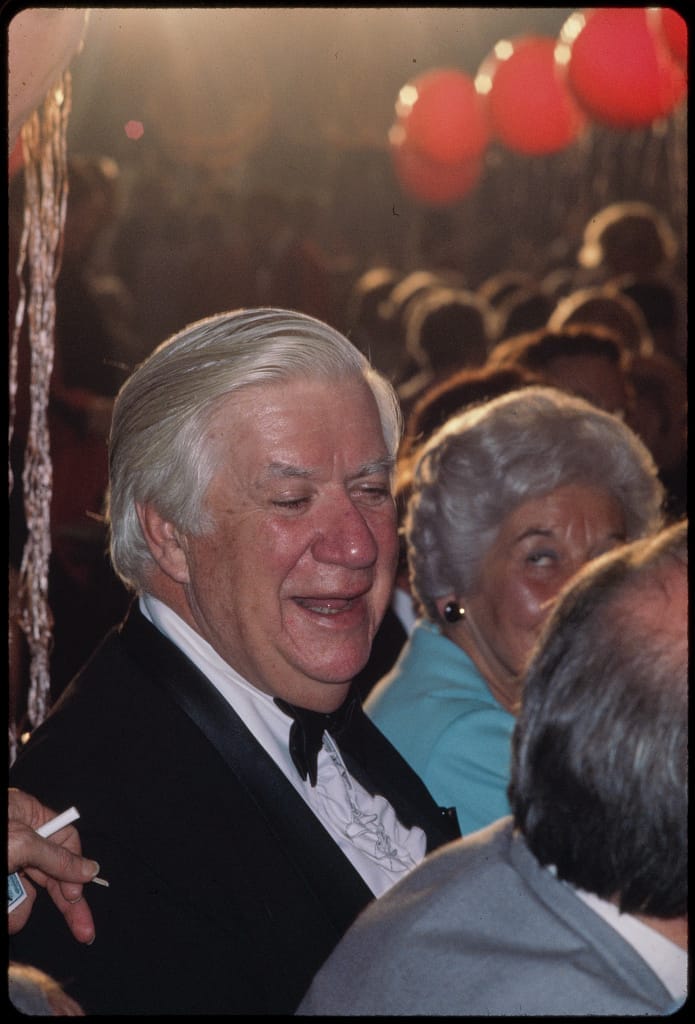
In domestic policy, coalitions extended the life of Social Security in 1983. President Ronald Reagan, a Republican, and Speaker of the House Tip O’Neill, a Democrat, worked across party lines to avert disaster. They were the face of the bipartisan coalition, but it couldn’t have happened without bicameral coalition building by Senators Robert Dole (R-KS) and Daniel Patrick Moynihan (D-NY).
And that’s the key, by the way, whether it’s in local politics or global warfare, the best coalitions know that they’re working for something bigger than themselves. When the goal comes first, individual egos and flaws often come second. As they should.
The Fall 2025 Shutdown Proved the Model Still Works
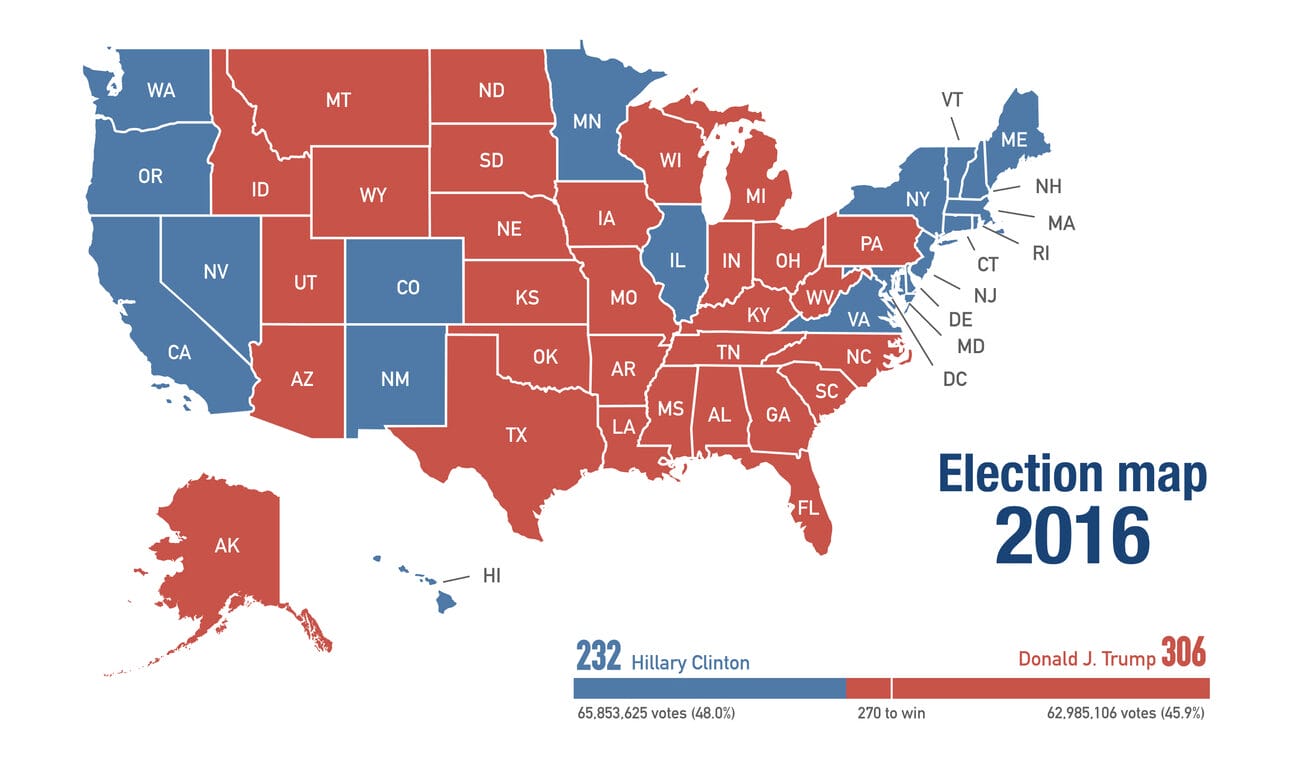
For more recent proof of coalition value, look no further than the nightmare federal shutdown of Fall 2025. By any historical standard, it should have been a political disaster for Republicans. But something unexpected happened: they didn’t splinter. They stayed unified and disciplined, and didn’t rely solely on elected officials to carry the message.
They activated coalitions and stakeholders—business groups, parent networks, veterans, small-town radio hosts, non-profits, and everyday citizens. The narrative was not confined to the U.S. Capitol but spread through living rooms, coffee shops, church parking lots, and social media feeds. Whether one agreed with the shutdown or not, the coalition and stakeholder management strategy worked for the GOP.
Coalitions ARE Strategy
As exemplified by the complex process of creating our founding documents, America’s fathers knew human nature is complicated—self-interested, emotional, fearful, aspirational. They didn’t expect people to agree immediately, so they built a government system itself that required dialogue, persuasion, and compromise. Not because those processes are easy, but because they are stabilizing.
Modern strategists often forget this. They want coalitions assembled in a week, messaging unified in a day, stakeholders activated immediately.
But lasting and effective coalitions take time. They evolve, fracture, rebuild, and adjust. Every iteration is different because of diverse influences and stressors. The measure of success isn’t how clean the process looks – it’s whether the coalition survives long enough to make change.
America 250: Time to Relearn the Founding Skill
As we celebrate America’s 250th anniversary, we could, of course, romanticize the past and lament the present. But the chaos we see today—the polarization, the fragmentation, the loudness—is not evidence of national decline. It is evidence that coalition building remains necessary.
Coalition building is not a press release, a campaign logo, or a one-time Zoom call. It is a deep dive into persuasion, relationship maintenance and shared ownership. It is the opposite of the shallow swim we take when acting alone.
And America isn’t finished. The American Experiment continues—not because we agree, but because we are willing to work through disagreement.
Coalitions made this country. Coalitions improved it. Coalitions will decide what comes next.
And yes—they will always be messy.
But messiness, in America, has never been a reason to quit. It has always been the starting point for progress.
Kerri Toloczko is Director of Public Affairs for Proven Media Solutions and has been successfully organizing and managing coalitions in Washington, DC and across the country for over 30 years.